How Much Maintenance Do Solar Panels Really Need in Massachusetts?
By Dave Simmer
NABCEP-Trained Solar Professional, Scituate, MA
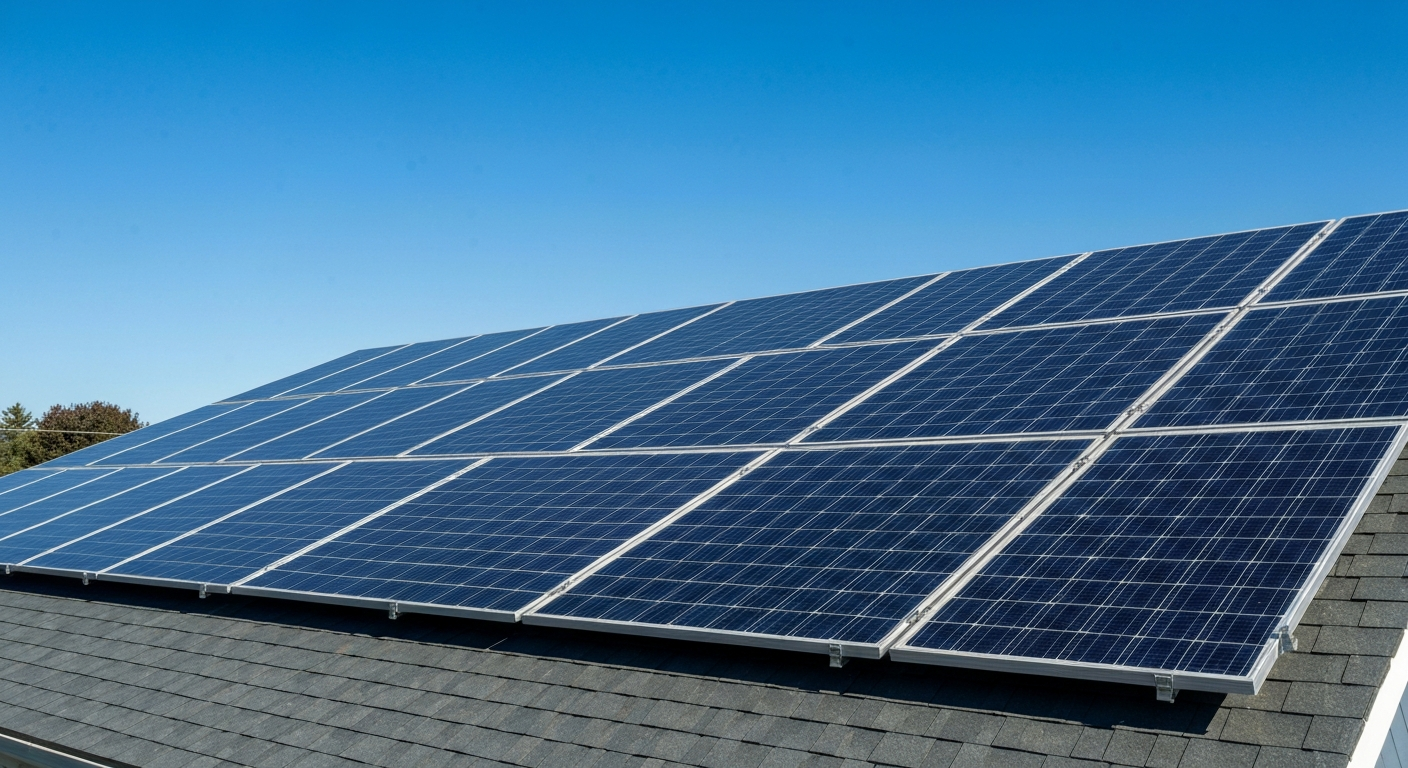
Almost none—and that's one of the quiet perks of solar. Panels have no moving parts, and here in Massachusetts our regular rain does the vast majority of the cleaning for you. For most homeowners, "maintenance" means glancing at your monitoring app now and then and trimming a branch every few years. You don't need to climb up there with a hose, and you definitely shouldn't power-wash them. Here's what actually matters and what you can safely ignore.
Rain does most of the cleaning
Solar panels are smooth, angled glass, so rain naturally rinses off most dust and pollen. In our New England climate, that's usually enough to keep them producing well—studies and real-world systems show the production lost to normal dirt is small, and rain recovers it. You generally don't need to wash your panels on any schedule. If we hit a long dry, dusty stretch or you get heavy pollen, a gentle rinse from the ground can help, but it's rarely necessary.
When a cleaning is actually worth it
A few situations justify a real cleaning: heavy bird droppings, sticky pollen or sap buildup, or fine construction/agricultural dust that rain isn't clearing. Even then, the move is a soft rinse with water—never abrasive pads, harsh chemicals, or a pressure washer, which can damage the panel surface or seals. If panels are hard to reach or steep, it's a job for someone with the right equipment, not a ladder and a Saturday. I'd rather you stay off the roof.
Snow takes care of itself
Massachusetts winters bring up the snow question a lot. Short version: leave it. Panels are angled and dark, so snow slides off on its own—usually faster than it clears off your shingles—and the production you'd recover by clearing it isn't worth the risk of an icy roof. My guide on solar panels in winter covers this in detail.
What to actually keep an eye on
The real "maintenance" is monitoring. Your system reports production, and with Enphase microinverters you can see it panel by panel—so if something underperforms, you (or I) catch it. Watch for new shade as trees grow, keep an eye out for any error notifications, and note that inverters are the component most likely to need attention over decades (microinverters carry long 25-year warranties; some string inverters are shorter). My guide on what happens after you go solar walks through reading your system.
I stand behind every system I design
If you ever see underperformance, an error code, or physical damage, that's when to call—not for routine scrubbing. I stay accountable for every project I oversee and I'll also look at systems other companies put up. A quick check covers production, connections, and the inverter. But for day-to-day? Let the rain do its job and enjoy not thinking about it.
Frequently asked questions
Do I need to clean my solar panels in Massachusetts?
Usually not. Our regular rain rinses off most dust and pollen, and the production lost to normal dirt is small. You only need a gentle rinse for heavy bird droppings, sap, or pollen that rain isn't clearing—never a pressure washer or harsh chemicals.
How much maintenance do solar panels need?
Very little. Panels have no moving parts, so maintenance mostly means checking your monitoring occasionally and trimming branches that start to shade the array. The inverter is the component most likely to need attention over the system's life, which is why I use long-warranty equipment.
Should I remove snow from my solar panels?
No. Panels are angled and dark, so snow slides off on its own—often faster than it clears off your roof. The small amount of production you'd recover isn't worth the danger of getting on an icy roof. Let it melt and shed naturally.
How will I know if my solar panels stop working properly?
Your monitoring will tell you. The system tracks production, and with panel-level microinverters you can spot a single underperforming panel. Watch for error notifications and new shade, and call your installer if you see a real drop—routine cleaning isn't the issue.
Questions about keeping a system healthy—or thinking about going solar? Get a free, no-pressure estimate and I'll give you straight answers about ownership, monitoring, and support.