Will Going Solar Increase My Property Taxes in Massachusetts?
By Dave Simmer
NABCEP-Trained Solar Professional, Scituate, MA
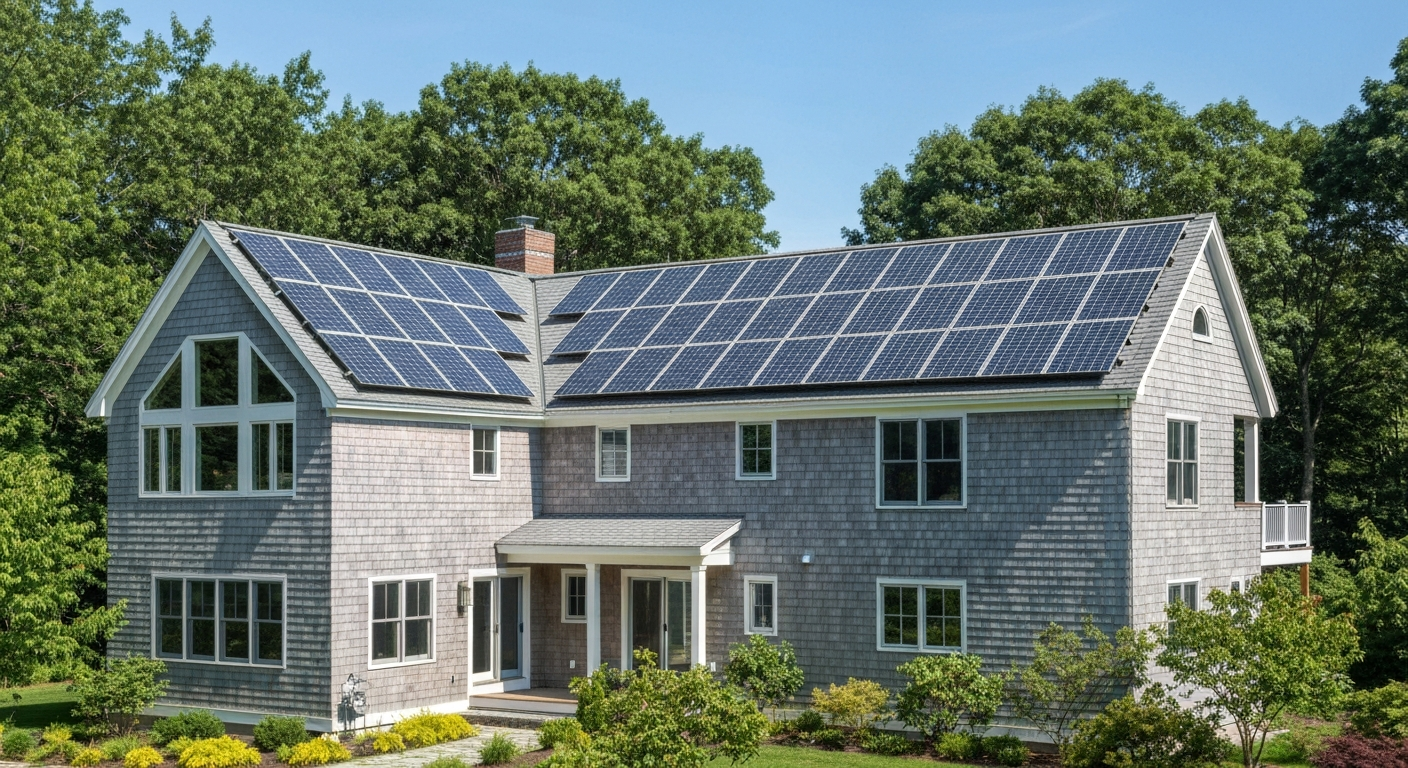
No—and this is one of the nicest, least-known parts of going solar in Massachusetts. Solar adds value to your home, but state law specifically shields that added value from your property tax bill for 20 years. So you get the resale bump without the higher tax assessment. There's no form to fill out, and it applies to the residential systems I install. Here's exactly how it works.
The 20-year exemption (Clause 45)
Under Massachusetts General Laws Chapter 59, Section 5, Clause 45, the added value a solar energy system gives your property is 100% exempt from local property taxes for 20 years from installation. In plain terms: your home is worth more with solar, but your town can't tax you on that extra value for two decades. It's a deliberate state policy to encourage homeowners to go solar, and it's one reason the economics here are so strong.
Do I have to apply for it?
No application is required—the exemption applies automatically to qualifying residential systems. That said, assessors are human and records vary town to town, so if you ever see a reassessment that looks like it's pricing in your panels, it's worth a quick call to your local assessor's office to point them to Clause 45. I'm not a tax advisor, but I'm happy to help you find the right reference.
Which systems qualify?
The exemption covers residential solar that's either 25 kW or smaller, or sized to produce no more than 125% of your home's annual electricity use. That comfortably covers the typical South Shore home system—the kind I design to match your actual usage rather than overbuild. If you're sizing a system for an EV or a heat pump and pushing toward the larger end, that 125% guideline is one more reason to size it correctly, which I'd do anyway.
Value goes up, taxes don't
It's worth sitting with how good this combination is. Solar reliably adds resale value in Massachusetts—buyers will pay more for a home with owned panels and an established net metering agreement (I cover that in my guide on whether solar increases home value). Normally, adding value to a home invites a higher assessment. Clause 45 breaks that link for 20 years: you capture the value, the town doesn't tax it. Very few home improvements get that treatment.
What happens after 20 years?
After the 20-year window, the equipment may become subject to local personal property tax, depending on your town and the rules at that time. By then most systems have long since paid for themselves, and a 20-year head start is a substantial benefit. Policy can change over two decades, so treat this as how it works today—and confirm specifics with your assessor.
How this fits the bigger incentive picture
The property tax exemption is one piece of a stack that still makes Massachusetts one of the best solar states even now that the federal credit has ended. Full-retail net metering, the SMART program, and—if you add a battery—ConnectedSolutions do the heavy lifting on savings, and Clause 45 protects the value on top. My Massachusetts solar incentives guide lays out what's left and how it adds up in 2026.
Frequently asked questions
Do solar panels increase property taxes in Massachusetts?
No. Massachusetts law (Clause 45) exempts the added value of a residential solar system from local property tax for 20 years. Your home is worth more with solar, but your town can't tax that added value during that period.
Do I have to apply for the Massachusetts solar property tax exemption?
No application is required—it applies automatically to qualifying residential systems. If a reassessment ever looks like it's including your panels, contact your local assessor and reference Clause 45. I'm not a tax advisor, but I can point you to the right documentation.
Which solar systems qualify for the exemption?
Residential systems that are 25 kW or smaller, or that produce no more than 125% of the home's annual electricity use. A correctly sized home system—matched to your actual usage—comfortably qualifies.
What happens to the exemption after 20 years?
After 20 years the equipment may become subject to local personal property tax, depending on your town and the rules at the time. By then the system has typically paid for itself many times over. Confirm specifics with your local assessor.
Want the full picture for your home? Get a free, no-pressure estimate and I'll show you real numbers—savings, payback, and how the incentives apply to your roof.